


AI is revolutionising the workplace in many ways, including some that are not looked upon positively. BBC Bitesize, which is aimed at a younger audience, reports that nearly 10 million people in the UK could be working in roles that use AI technology within ten years, with nearly 40 percent of them involved in core AI-related activities.
Aside from the obvious; an aptitude for maths, computer science and data science, creativity, communication, judgement and ethical thinking are going to be key skills. What are the highlighted roles for young job-seekers and those planning a career in an increasingly AI-focused world?
AI Ethics Lead
These professionals ensure AI systems are fair and unbiased for everyone. For example, you might use AI-powered face recognition to unlock your smartphone. An AI Ethics Lead is the person who ensures that the system can recognise all skin tones and there is no bias towards one type. As AI becomes more powerful, this role becomes essential.
Prompt Engineer
A fast-growing role focused on getting the most from AI systems. Prompt engineers know how to phrase questions and instructions, so AI delivers accurate and useful results. If you’ve ever succeeded at explaining complicated ideas to a child, this could be the job for you.
AI Engineer
AI engineers design, build and train computer systems to copy human intelligence to solve real life problems. This could be anything from self-driving cars to disease detection tools.

MLOps (Machine Learning Operations Engineer)
Think about cars. Engineers will build your car, then you take your car to a local garage every year for a motor mechanic to ensure it’s running smoothly. In a similar way, while AI engineers build the computer systems, MLOps make sure they run smoothly. They ensure AI models are fast and aren’t going to break down when lots of people are using them at the same time.
Data Scientist
You’ll know that there is so much data available on the internet, but not all of it is true or accurate. Data Scientists identify, tidy up and analyse good data to solve complex problems. The reason why social media sites can accurately predict your preferences is usually down to a Data Scientist making use of clever machine learning algorithms.

AI Product Manager
These professionals decide what AI should be built, why it matters and how it should be used. They ensure AI isn’t used as a toy, but it actually benefits the business.
AI Engineer
AI researchers push the boundaries of what AI can do through experiments and innovation. Their work leads to new algorithms, techniques and breakthroughs.
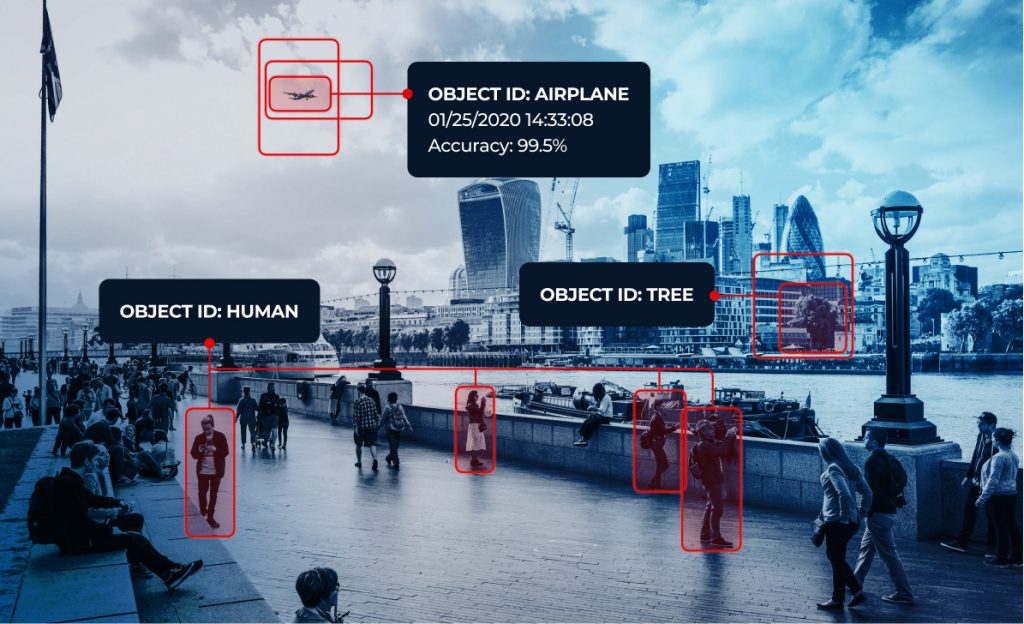
Computer Vision Engineer
These engineers build systems that interpret images and video. For example, they ensure that self-driving cars stop at red traffic signs and aren’t going to crash into objects or pedestrians. Their systems can also be used in hospital scanners.
Natural Language Processing (NLP)
Engineer With the rise of chatbots, voice assistants (Siri, Alexa), machine translation (Google Translate) NLP engineers are in high demand. They enable machines to read, write, summarise and translate text.